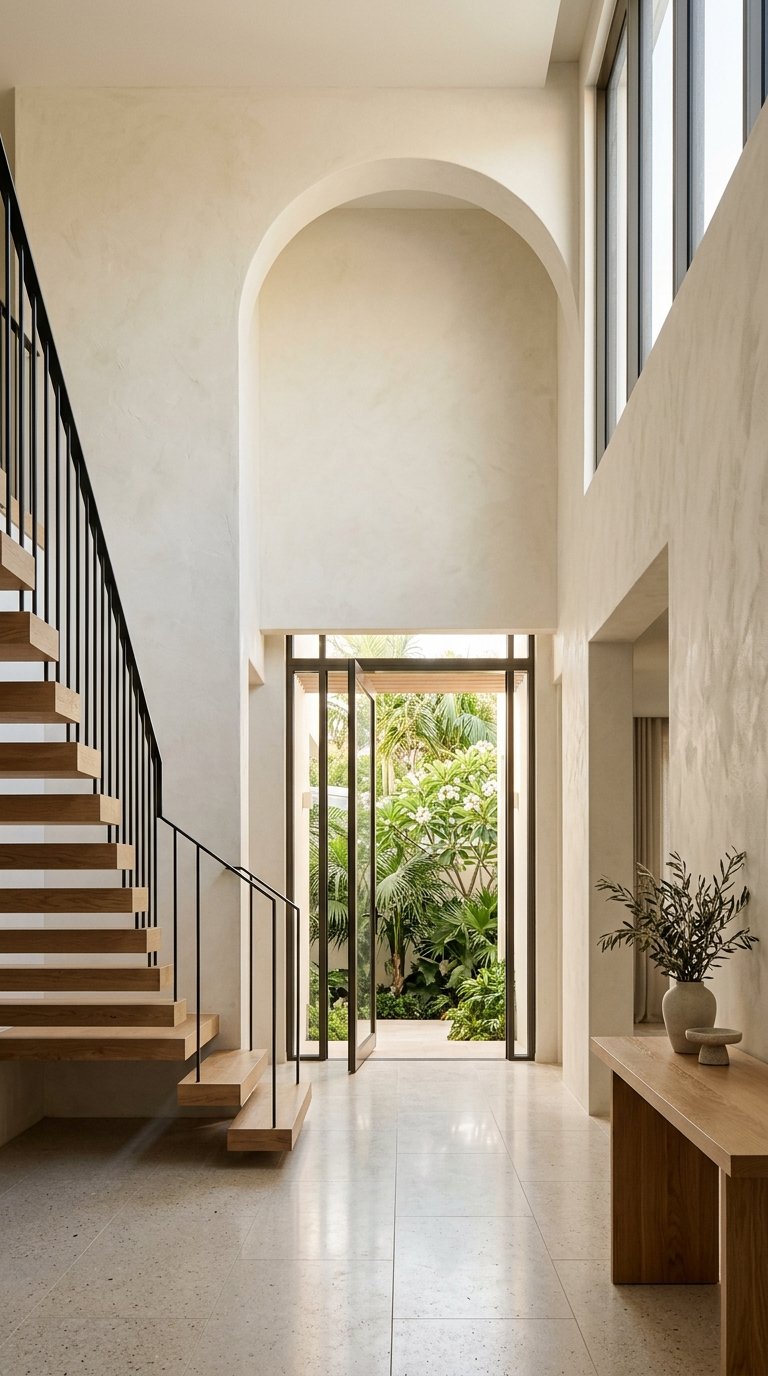
If you drive through Pinecrest and wonder why one street shows a low-slung ranch, the next has a Mediterranean-inspired estate, and another features a sleek modern rebuild, you are not imagining it. Pinecrest has a layered architectural identity, and that is part of what draws many buyers to the area. When you understand what you are looking at, it becomes much easier to spot character, evaluate updates, and decide which style fits your lifestyle. Let’s dive in.
Why Pinecrest Looks So Varied
Pinecrest is not a single-style community. According to the Village of Pinecrest, the area grew significantly in the 1950s and 1960s with ranch-style homes on acre lots, and that estate-lot pattern still shapes how the village feels today with tree-lined streets, abundant landscaping, and open space (Village history).
That larger mix also reflects Miami-Dade’s broader architectural history. Across the county, early homesteader construction, 1920s Mediterranean-influenced design, and post-World War II residential growth all left their mark, which helps explain why Pinecrest includes homes from different eras and design traditions (Miami-Dade architectural history).
Ranch Homes Define Pinecrest
If there is one style that forms the core of Pinecrest, it is ranch. Much of the village’s residential growth came during the postwar years, and ranch homes became the most recognizable local house type.
These homes are usually easy to spot. They tend to sit low and wide on the lot, often with low-pitched roofs, simple lines, limited ornament, and an easy indoor-outdoor layout that suits South Florida living.
Miami-Dade notes that postwar communities often used ranch and minimal-traditional housing, adapted for the climate with details such as jalousie windows and concrete block screen walls. A Florida architectural style guide also describes ranch homes as having wide, low forms, low-pitched gable roofs, picture or ribbon windows, and patios or courtyards, all of which align with what you still see in Pinecrest today (Miami-Dade architectural history).
What Buyers Notice in Ranch Homes
When you tour a ranch home in Pinecrest, the setting matters almost as much as the structure. A home with original bones on a large, landscaped lot can feel very different from one that has been heavily expanded or fully reworked over time.
In many cases, the appeal is in the proportions and the land. You may find broad front lawns, mature trees, simple façades, and floor plans that were designed for practical, comfortable living rather than formal architectural drama.
Minimal Traditional and Postwar Simplicity
Alongside ranch homes, you may also notice houses with a more modest postwar look. These homes often share the same era and some of the same climate-friendly adaptations, but they can appear a little more compact or restrained in form.
In Pinecrest, this is less about a sharply separate neighborhood style and more about the postwar design language that shaped the area. If a home feels simple, functional, and rooted in mid-century suburban development, you are likely seeing that postwar influence.
Mid-Century Modern Influence in Pinecrest
Many buyers use the phrase “mid-century modern” when describing older Pinecrest homes, and that makes sense visually. Still, it is more accurate to think of mid-century modern as an influence in Pinecrest rather than the dominant local style.
The U.S. General Services Administration defines Mid-Century Modernism as a postwar style associated with flat roofs, smooth wall surfaces, expansive windows, and minimal ornamentation (Mid-Century Modernism overview). In Pinecrest, homes that feel mid-century often started as ranch or other postwar houses and now read as more modern because of cleaner lines, larger glass openings, or updated interiors.
How to Recognize the Mid-Century Feel
You might notice:
- Larger windows than you would expect in a more traditional home
- Cleaner rooflines and less decorative trim
- Opener interior layouts after renovation
- A stronger connection between indoor and outdoor spaces
This matters because style labels can blur over time. In Pinecrest, a home’s original era and its current design language do not always match.
Mediterranean and Spanish Eclectic Details
Mediterranean-inspired architecture is a natural part of the South Florida visual landscape, and Pinecrest is no exception. While it is not the single defining look of the village, it remains an important part of the architectural mix.
A municipal style guide describes Mediterranean Revival as featuring low-pitched red tile roofs, stucco walls, arches, courtyards, wrought iron, and decorative detailing around windows and doors (Mediterranean Revival description). Those features still help many buyers identify older custom homes, newer Mediterranean-inspired estates, and select properties with more ornate exterior character.
Miami-Dade also documents at least one notable early Pinecrest home, the Carey-Dant House at 122 Pinecrest Drive, as Spanish eclectic with a blend of Spanish Mediterranean, Pueblo Revival, and Mission elements. That is a useful reminder that some prewar homes in Pinecrest can look distinctly different from the postwar ranch homes around them (Miami-Dade architectural history).
Common Mediterranean Visual Cues
If you are trying to identify this style, look for:
- Stucco exteriors
- Red or clay-toned tile roofs
- Arched doors, windows, or walkways
- Courtyard-oriented layouts
- Wrought iron accents
These homes often feel warmer and more decorative than ranch or contemporary properties, even when they sit on similarly large lots.
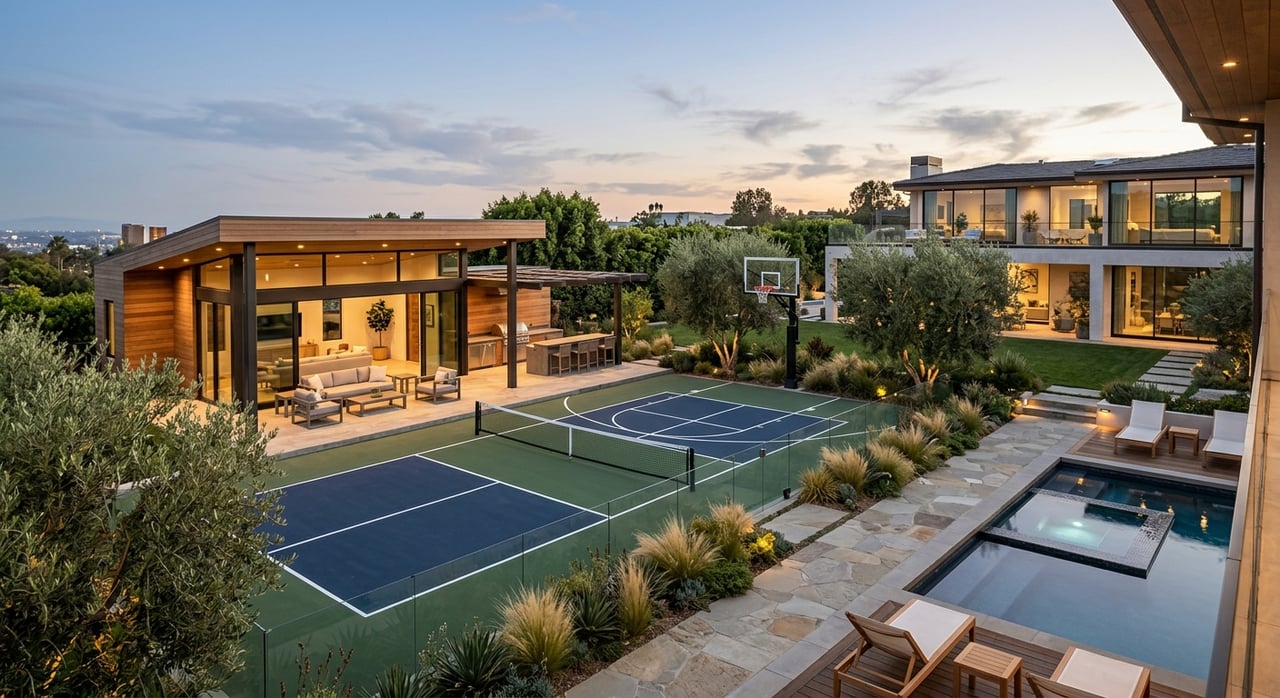
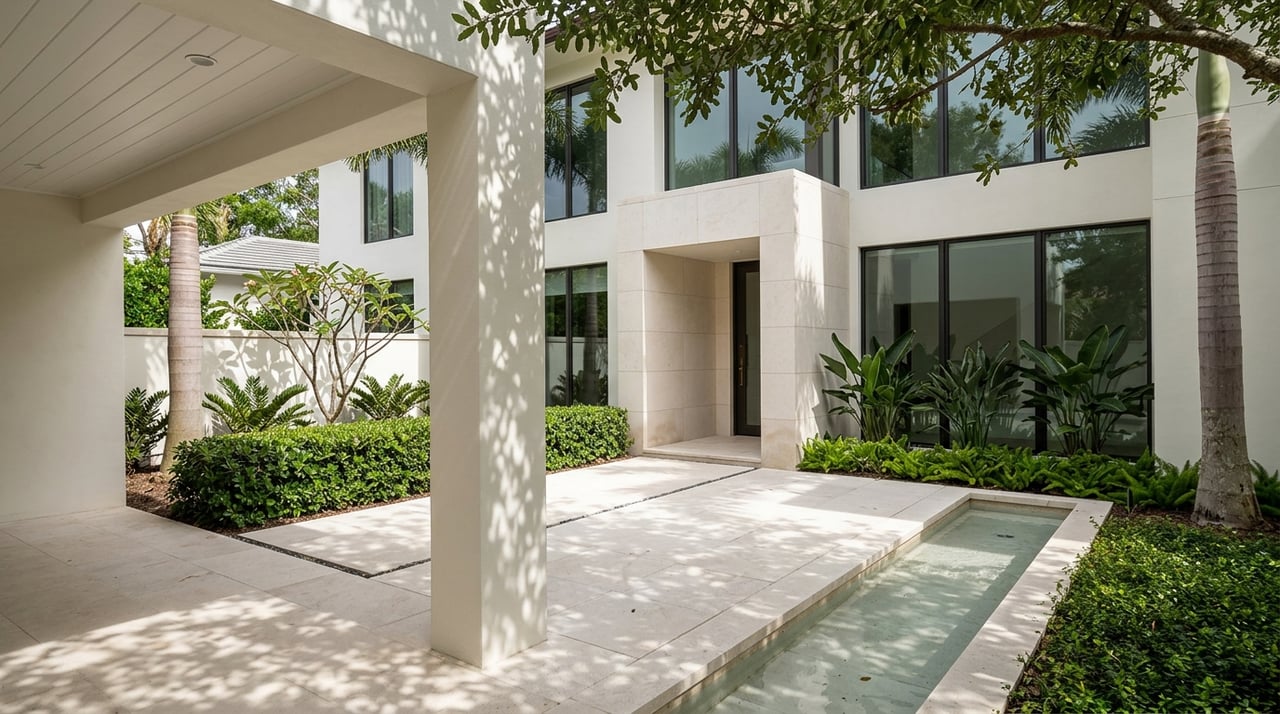
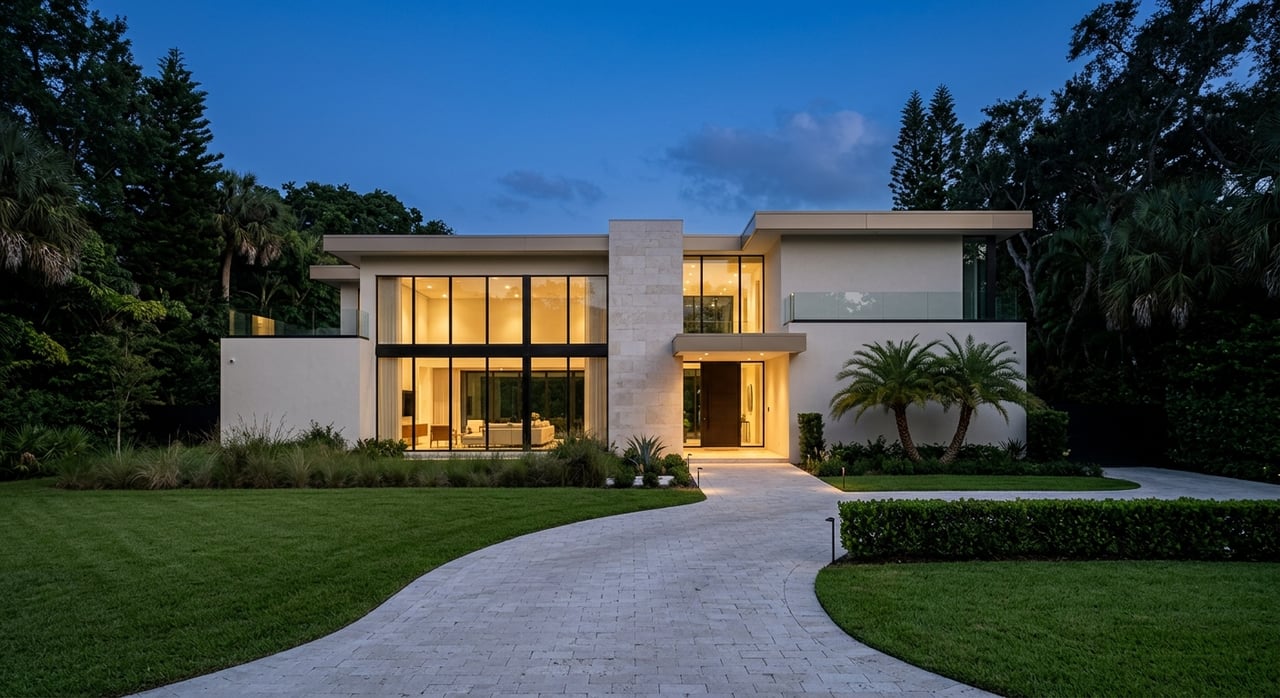
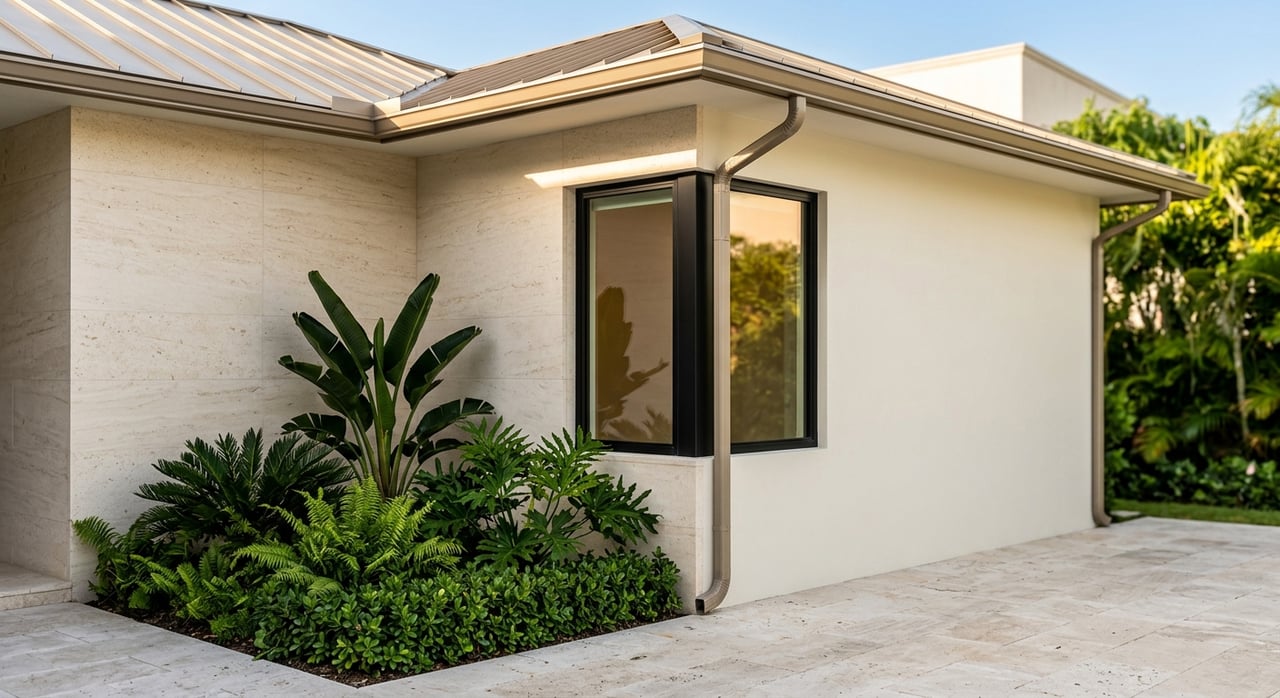
Contemporary and Tropical Modern Estates
Newer Pinecrest homes often lean contemporary. The village’s Pinecrest Parkway vision materials reference modern architecture with long glass panels and natural materials, pointing to a design direction that feels cleaner and more current than older housing stock (Pinecrest Parkway vision materials).
Taken together with more recent reporting cited in the research, the trend is clear. Many newer homes in Pinecrest emphasize larger glazing, simplified massing, and fewer decorative details than older ranch or Mediterranean homes.
What Contemporary Homes Often Share
In Pinecrest, newer contemporary or tropical modern homes may include:
- Large expanses of glass
- Natural materials such as stone, wood, or smooth stucco finishes
- Boxier or more sculpted exterior forms
- Minimal ornamentation
- Strong indoor-outdoor flow
These homes often feel especially connected to the lot through landscaping, pool areas, covered terraces, and broad backyard views.
The Lot Matters as Much as the House
One of the most important things to understand about Pinecrest is that architecture and setting go together. The village consistently emphasizes large lots, tree canopy, open space, and abundant landscaping, and those elements shape how each home is experienced (Pinecrest strategic plan).
That means two homes with similar square footage can feel completely different in person. A lower-profile ranch under mature trees may feel private and grounded, while a newer estate with expansive glass may feel open, bright, and more dramatic.
Think in Layers, Not Labels
One of the smartest ways to evaluate Pinecrest homes is to think in layers. Start with the original era of the home, then consider what has changed over time, and finally look at the design language it presents today.
This approach matters because Pinecrest allows relatively flexible architectural expression. The village notes relatively few restrictions on architectural design and ornamentation, which helps explain why additions, altered rooflines, larger window systems, and full rebuilds are common parts of the local streetscape (Pinecrest strategic plan).
A Simple Way to Read a Pinecrest Home
As you tour homes, ask yourself:
- Is this an original postwar ranch?
- Has it been lightly or heavily remodeled?
- Does it lean Mediterranean in its detailing?
- Is it a newer custom contemporary or tropical modern estate?
That quick framework can help you understand not just the appearance of a property, but also how it fits into Pinecrest’s broader design story.
What This Means for Buyers
If you are shopping in Pinecrest, architectural style is about more than curb appeal. It can affect how a home lives day to day, how much original character remains, and how the property relates to its lot.
Some buyers are drawn to the warmth and scale of original ranch homes. Others want the richer detailing of Mediterranean-inspired architecture or the crisp lines and large glass walls of a newer contemporary estate.
The key is knowing that Pinecrest rarely offers a one-note visual experience. Its identity is layered: postwar ranch at the core, Mediterranean warmth in the mix, and contemporary or tropical modern design at the newer end.
If you are exploring Pinecrest and want help understanding which homes offer original character, thoughtful updates, or newer design appeal, Stacey Waldron offers calm, local guidance tailored to how you want to live and invest in Miami.
FAQs
What architectural style is most common in Pinecrest?
- Ranch-style homes are the most foundational type in Pinecrest because much of the village developed during the 1950s and 1960s on large estate lots.
Are there Mediterranean-style homes in Pinecrest?
- Yes. Pinecrest includes Mediterranean-inspired and Spanish eclectic homes, often identified by stucco walls, tile roofs, arches, and decorative iron details.
Do Pinecrest homes include mid-century modern design?
- Yes, but often as an influence rather than a dominant standalone style. Many older homes read as mid-century because of clean lines, larger windows, and postwar design features.
Are newer Pinecrest homes more contemporary?
- Yes. Newer Pinecrest homes often lean contemporary or tropical modern, with larger glass panels, natural materials, and simpler exterior forms.
Why do Pinecrest homes look so different from one another?
- Pinecrest developed in layers over time, with prewar, postwar, Mediterranean-inspired, and newer contemporary homes all contributing to the village’s mixed architectural character.
How should buyers evaluate architectural style in Pinecrest?
- A helpful approach is to look at the home’s original era, how much it has been renovated, and whether its current design language feels ranch, Mediterranean-inspired, or contemporary.