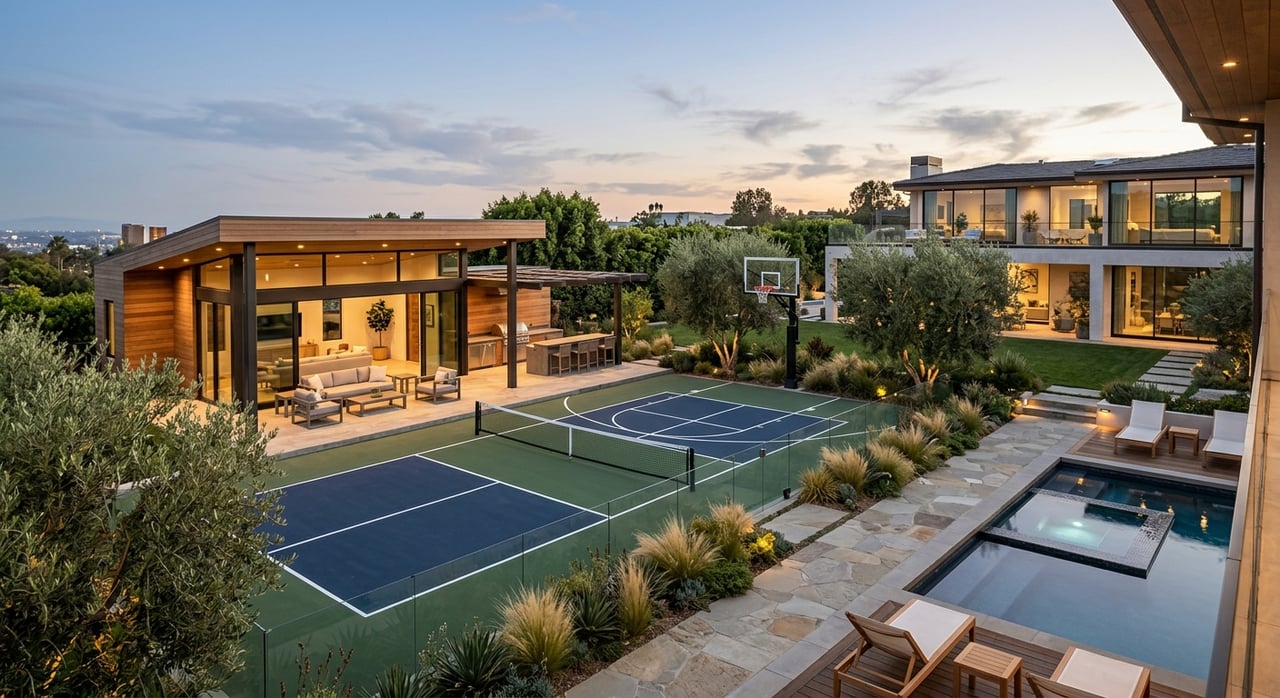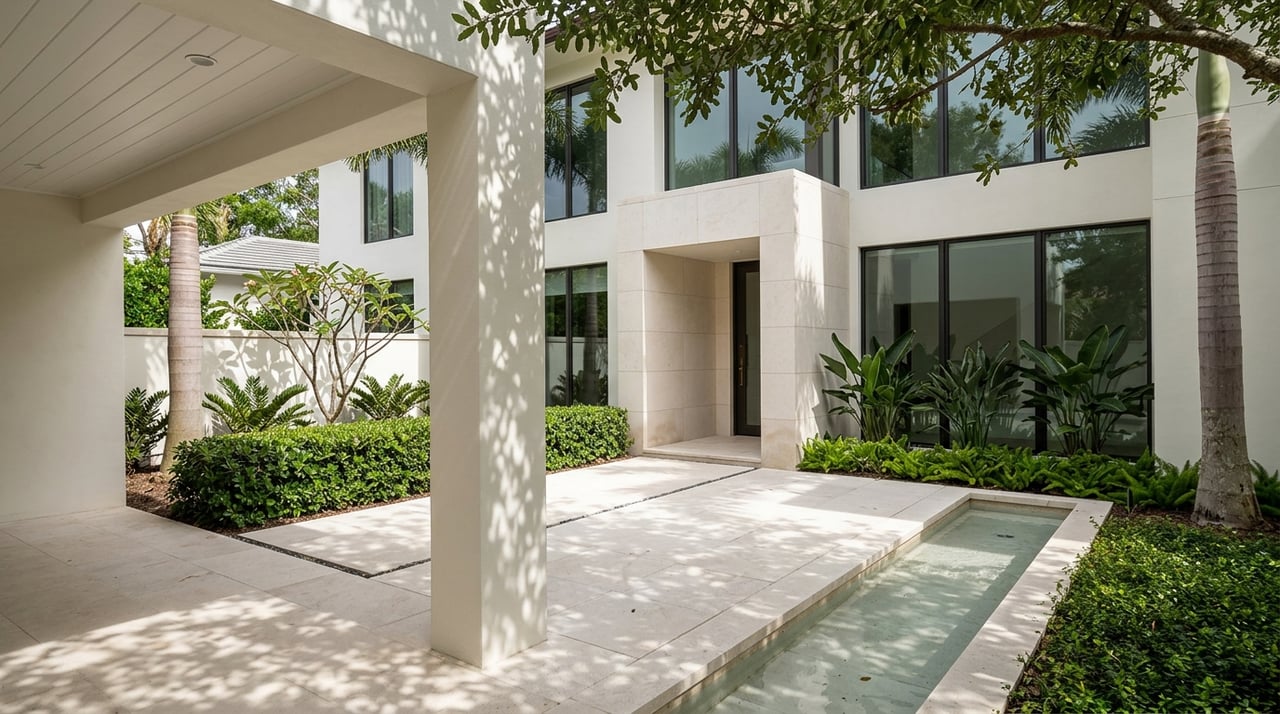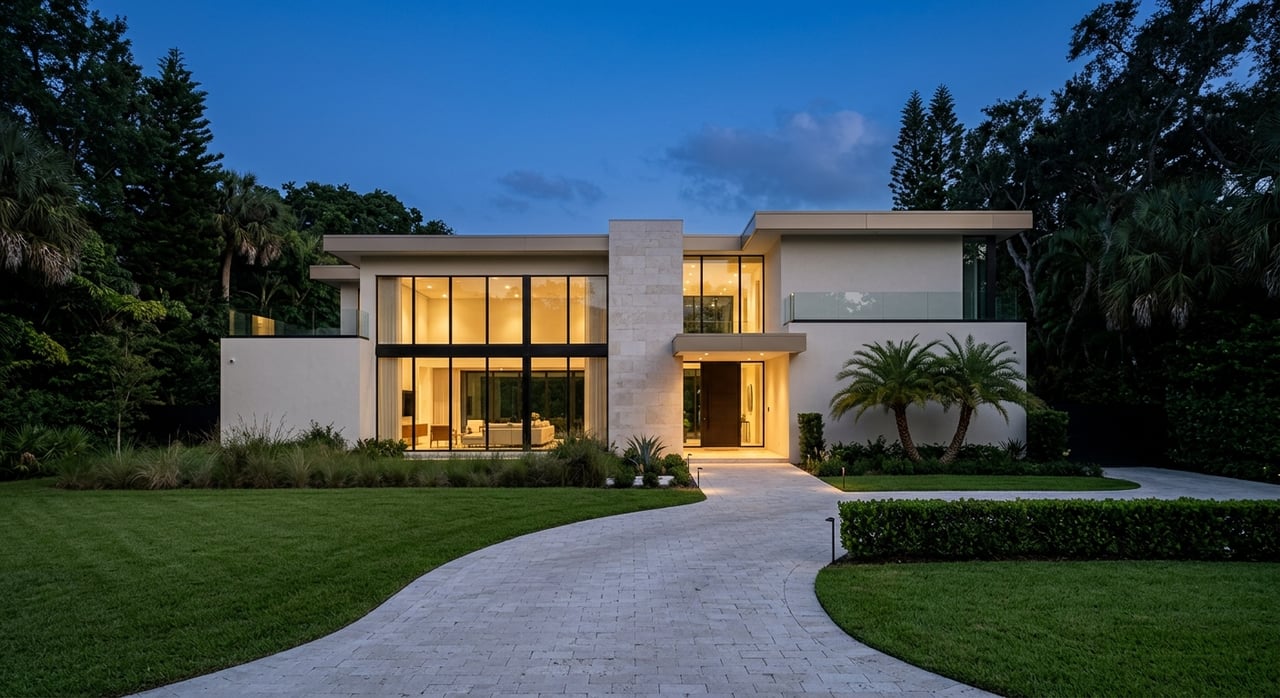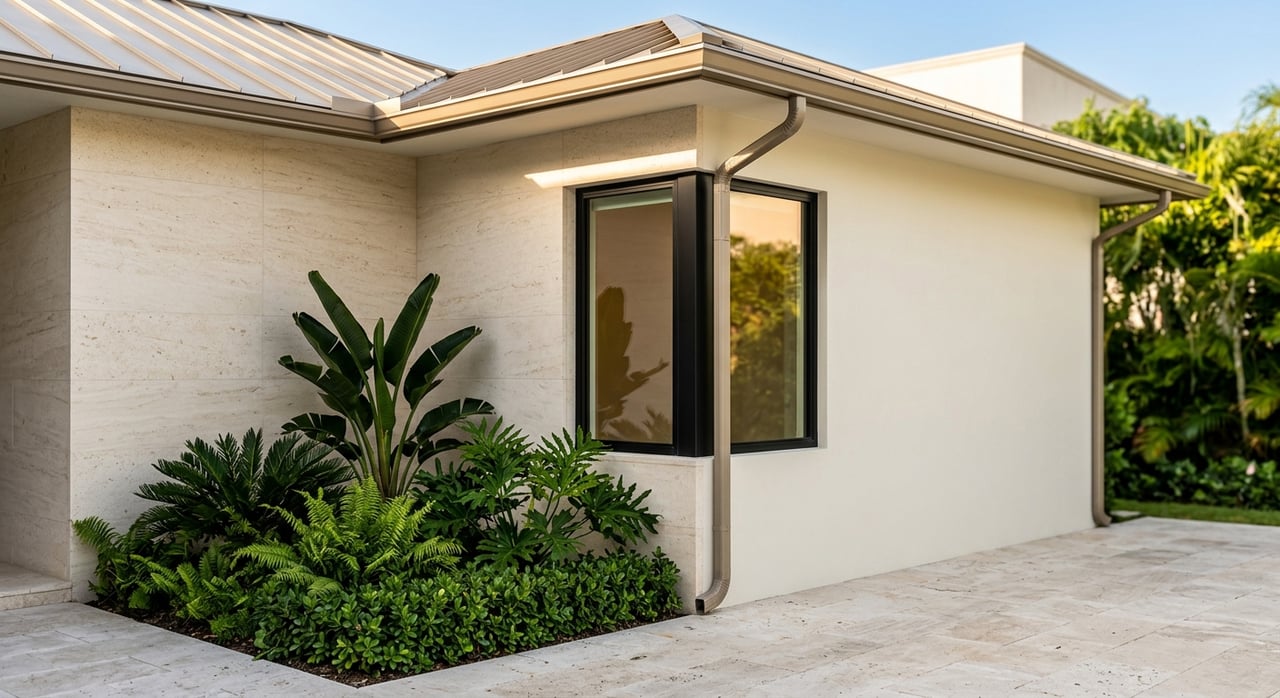
If you are searching for a new construction home in Pinecrest, it helps to know one thing up front: in this market, “new” does not always mean the same thing it does in a large master-planned community. Many Pinecrest homes are built as infill projects, teardown-and-rebuild opportunities, or major replacements on existing lots. When you understand how the lot, permits, trees, flood considerations, and final approvals all work together, you can make a more confident decision. Let’s dive in.
Why Pinecrest new construction is different
Pinecrest has a strong residential identity shaped by tree-lined streets, large lots, and low-density land use. The Village’s Comprehensive Development Master Plan keeps much of the area in very low-density categories, which means you are generally not looking at large waves of new subdivision inventory.
In practical terms, that often makes Pinecrest new construction a lot-by-lot story. A home may be fully new, recently completed, or the result of a major rebuild on an older parcel. That distinction matters because the site itself can affect what was allowed, what was preserved, and how the final home came together.
What “new construction” often means in Pinecrest
In Pinecrest, a new home is often tied to an existing residential parcel rather than a blank-slate development. That means the property’s lot shape, tree coverage, drainage conditions, and zoning can be just as important as the home’s design and finishes.
The Village also notes that planning maps are for general information only. If you want official verification of zoning or land use, that comes from the Planning Division, not from a marketing brochure or map snapshot.
Low-density planning shapes supply
Because Pinecrest maintains low-density land-use categories, available new construction tends to be more limited and more individualized. That can be appealing if you want a home with modern systems in an established residential setting.
It also means you should expect variation from one property to the next. Two homes that look similar online may have very different permitting histories, tree preservation requirements, drainage solutions, or lot constraints.
What buyers should review before making an offer
A beautiful kitchen and fresh finishes are only part of the story. In Pinecrest, the safer approach is to look closely at the paperwork behind the build, not just the final presentation.
Here are some of the most important items to review.
Confirm the permit trail
Pinecrest treats a building permit as official approval to proceed. Depending on the project, separate applications may also be required for grading, demolition, mechanical, electrical, and plumbing work.
Ask whether the home was built as fully new construction, completed as a major alteration, or rebuilt after demolition. You should also ask for the permit history and clarification on who pulled the permits.
Check inspections and final completion
Once construction begins, Pinecrest performs inspections at intervals set by the Florida Building Code. The Village states that no part of construction should be concealed before inspection, and final inspections are required before a project is considered complete.
Ask whether the final inspections have passed and whether a Certificate of Occupancy, Certificate of Completion, or Certificate of Use and Occupancy was required and issued. This is one of the clearest ways to understand whether the house is truly complete from the Village’s standpoint.
Review flood and drainage conditions
In Miami-Dade, flood-zone maps should be checked for every property because flood zones affect risk, insurance, and design assumptions. The County also says elevation certificates are required for all new construction.
This is especially important in Pinecrest, where site planning is not just about the structure itself. Drainage design and flood-related criteria can shape how a property is built and how it performs over time.
Ask about trees and landscaping
Pinecrest places real importance on tree preservation. The Village requires a tree removal permit for the removal or relocation of any tree that is not specifically exempted, and mitigation or replacement may be required.
For new construction and major alterations, the Village’s checklist can include tree surveys, tree disposition plans, and a signed landscape plan. If trees were removed or relocated, ask to see how that was approved and resolved.
Verify product approvals
Pinecrest’s new-construction checklist asks for product approval for windows and doors. That may sound technical, but it gives you a practical way to look past cosmetic appeal and confirm that approved systems were part of the build process.
When you tour a home, it is reasonable to ask whether those approvals are in hand. In a market where presentation can be polished, documentation helps you understand the quality behind the finishes.
Why the lot matters as much as the house
One of the biggest mistakes buyers can make in Pinecrest is focusing only on the home itself. The lot often plays an equally important role because zoning, setbacks, tree preservation, flood zone, and drainage can all affect what can be built or modified.
That matters whether you plan to move right in or make changes later. A home may feel ideal today, but if you are relying on future additions, pool changes, or major exterior work, the lot’s constraints become part of your long-term decision.
Renderings are not enough
If a property is under construction or recently completed, do not rely only on plans or polished visuals. Pinecrest makes clear that official zoning and land-use verification should come through the Planning Division, and permit checklists show that landscape and drainage review are part of the process.
That is why clear due diligence matters. A strong new-construction purchase is not just about style. It is about whether the plan fits the property legally and practically.
New construction vs. resale in Pinecrest
For many buyers, the real choice is not simply whether to buy in Pinecrest. It is whether to buy a newly built home or a resale property in an established setting.
Each path offers something different, and the right fit depends on what you value most.
Benefits of new construction
New construction often offers more predictable near-term maintenance, newer systems, and a cleaner warranty path. It may also include more modern layouts and building systems designed for current expectations.
The U.S. Department of Energy notes that controlling air leakage is key to energy-efficient new construction and is also important for moisture control. It also notes that overall efficiency depends on how insulation, air sealing, and ventilation work together.
Benefits of resale homes
Resale homes in Pinecrest can be attractive for different reasons. Buyers may prefer mature landscaping, a finished streetscape, an established lot, or the character of an older home that has been updated over time.
In many cases, resale can offer a lot or setting that feels especially connected to Pinecrest’s residential identity. The tradeoff is often more uncertainty around system age, repair history, and future renovation costs.
A simple way to compare
If you value predictability, newer systems, and warranty coverage, new construction may feel like the cleaner option. If you value mature trees, lot character, and an established setting, resale may be the stronger fit.
In Pinecrest, neither choice is automatically better. The smarter question is which property offers the right balance of house quality, lot quality, and documentation.
What to ask before you commit
If you are seriously considering a Pinecrest new build, these are smart questions to ask early:
- Is the home fully new, recently completed, or a major rebuild?
- Can the seller provide the permit trail and final inspection status?
- Was a Certificate of Occupancy or other completion document issued?
- What does the written builder warranty cover?
- Were any trees removed or relocated, and if so, were permits and mitigation handled?
- Has the flood zone been checked for the property?
- Is an elevation certificate available for the new construction?
- Are product approvals for windows and doors in place?
- Who was responsible for permits, and were the contractors licensed and insured as required by Florida law?
These questions can help you move beyond surface-level appeal. They also help you understand whether the home was delivered in a way that aligns with Pinecrest’s local requirements.
Don’t overlook the warranty
Warranty coverage can be one of the clearest advantages of buying new. The FTC says builder warranties commonly cover workmanship and materials for one year, major systems for two years, and major structural defects for up to 10 years.
That said, warranty terms can vary. Before you move forward, ask for the written warranty booklet and review any third-party warranty terms that may apply.
The bottom line on Pinecrest new construction
A new construction home in Pinecrest can be an excellent fit if you want modern design, newer systems, and a more predictable ownership experience. But in this market, the value of a new build goes beyond finishes and square footage.
What really matters is how the home, lot, permits, trees, drainage, flood considerations, and final approvals all come together. When you evaluate the full picture, you are much more likely to choose a property that works well not just on closing day, but long after you move in.
If you want a calm, informed second opinion on a Pinecrest home, Stacey Waldron can help you evaluate the property with local context and thoughtful guidance.
FAQs
What counts as a new construction home in Pinecrest?
- In Pinecrest, a new construction home may be a fully new build, a teardown-and-rebuild project, or a major replacement on an existing residential lot.
Why is the lot so important for Pinecrest new construction?
- The lot matters because zoning, setbacks, tree preservation, flood zone, and drainage can all affect what can legally and practically be built on the property.
What Pinecrest permits should buyers ask about for a new home?
- Buyers should ask for the building permit history and any related permits for grading, demolition, mechanical, electrical, and plumbing work, depending on the scope of the project.
What final documents should buyers confirm for a Pinecrest new build?
- Buyers should confirm final inspection status and ask whether a Certificate of Occupancy, Certificate of Completion, or Certificate of Use and Occupancy was required and issued.
How do trees affect new construction homes in Pinecrest?
- Pinecrest may require permits for tree removal or relocation, and mitigation or replacement can also be required, so buyers should ask for the related approvals and plans.
Should buyers check flood information for Pinecrest new construction homes?
- Yes. Miami-Dade says flood-zone maps should be checked for every property, and elevation certificates are required for all new construction.
What should buyers know about warranties on Pinecrest new homes?
- Buyers should request the written warranty details. The FTC says builder warranties commonly cover workmanship and materials for one year, systems for two years, and major structural defects for up to 10 years.