If you are searching for a home in Pinecrest, square footage only tells part of the story. In this part of Miami-Dade, the real luxury is often outside: bigger lots, deeper setbacks, mature trees, and the kind of privacy that can feel hard to find in a denser market. If you want to understand what really drives value in Pinecrest homes, this guide will help you look beyond the front door and evaluate space, privacy, and outdoor amenities with more clarity. Let’s dive in.
Why Pinecrest Feels Different
Pinecrest is officially described by the village as a residential area with tree-lined streets and large estate lots. That character shows up in the numbers too. The village covers about 7.45 square miles and had an estimated population of 18,635 in July 2025, which works out to about 2,467.9 people per square mile.
That is a very different setting from Miami city, which had 12,285.8 people per square mile. Pinecrest also has a much higher owner-occupied housing rate at 82.8%, compared with 30.8% in Miami city. Average household size is larger too, at 3.03 people per household versus 2.32.
Those figures help explain why Pinecrest commands a premium for homes with land and usable outdoor space. The median value of owner-occupied housing units in Pinecrest is $1,406,400, compared with $518,100 in Miami city. In practical terms, buyers here are often paying not just for the house itself, but for privacy, separation, and room to live outdoors.
Space Matters Beyond Interior Size
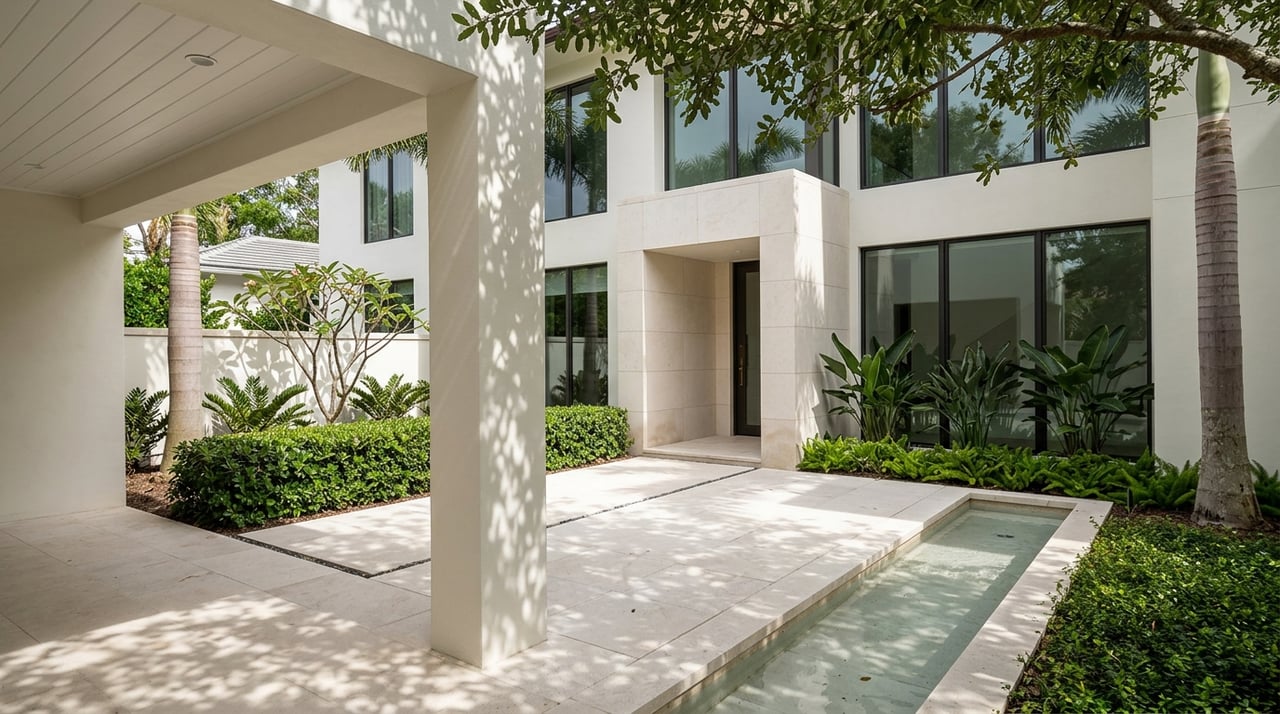
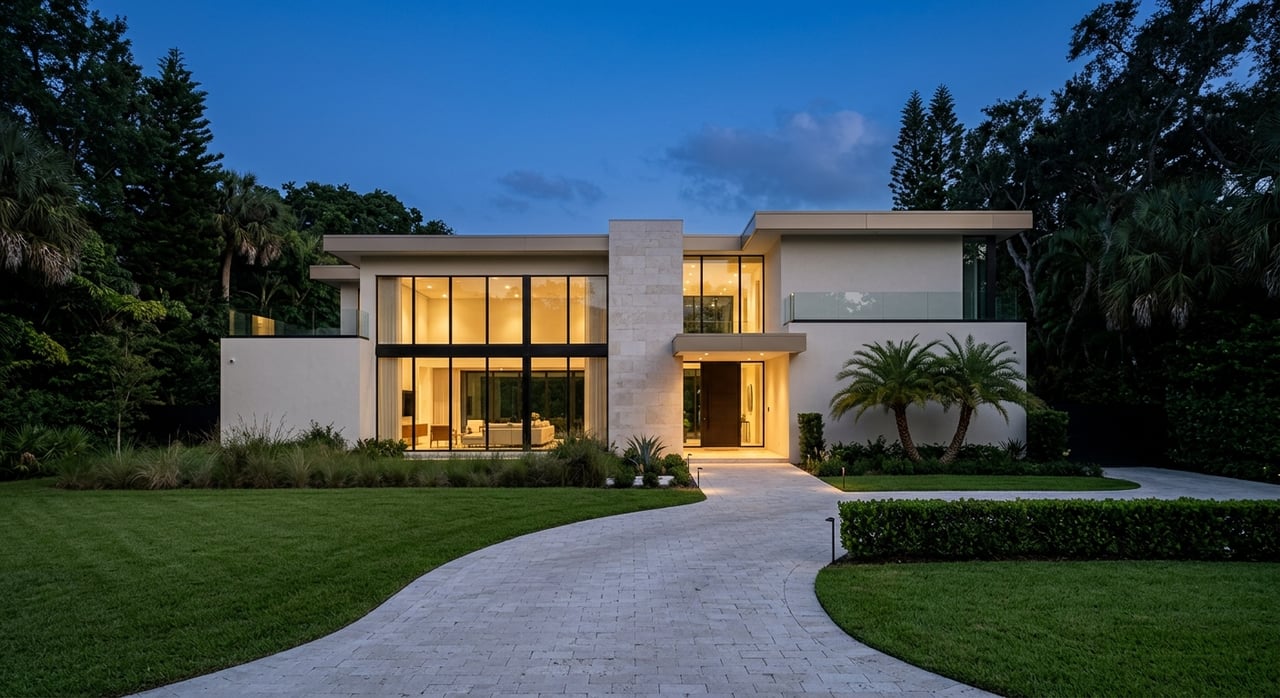
In Pinecrest, a large home does not automatically mean a better property. What often matters just as much is how the lot functions day to day. A property can have impressive interior dimensions, but if the yard feels exposed or overbuilt, it may not deliver the lifestyle many Pinecrest buyers want.
The village’s planning framework supports that distinction. Pinecrest’s comprehensive plan emphasizes preserving open space, preserving trees, and controlling building heights in single-family areas to protect privacy and access to light and air. That means the outdoor feel of a property is not incidental. It is part of the village’s long-term character.
Pinecrest’s low-density residential structure reinforces that pattern. Depending on the district, density can range from one unit per 2.5 gross acres in EU-1C to one unit per 7,500 net square feet in RU-1. For you as a buyer, that helps explain why lot layout and yard usability can be just as important as the home’s bedroom count or finishes.
How Pinecrest Protects Privacy
Privacy in Pinecrest is shaped by both lot size and local rules. The village’s comprehensive plan specifically points to development standards that help protect privacy and preserve access to light and air. That creates a more durable sense of separation than you might find in a denser area where homes sit closer together and redevelopment patterns are more intense.
Green-space and tree-canopy standards are a major part of that. In RU-1 and RU-2 districts, lots must provide at least 35% green space and 6 trees per acre of net lot area. Estate districts require even higher tree counts, which reinforces the leafy character many buyers associate with Pinecrest.
That tree canopy is not just cosmetic. Pinecrest’s tree program and Tree City USA status show that the village treats canopy as part of its identity. Mature landscaping, shade, and visual buffering all contribute to how private a property feels from the street and from neighboring homes.
Outdoor Living Is Part of the Value
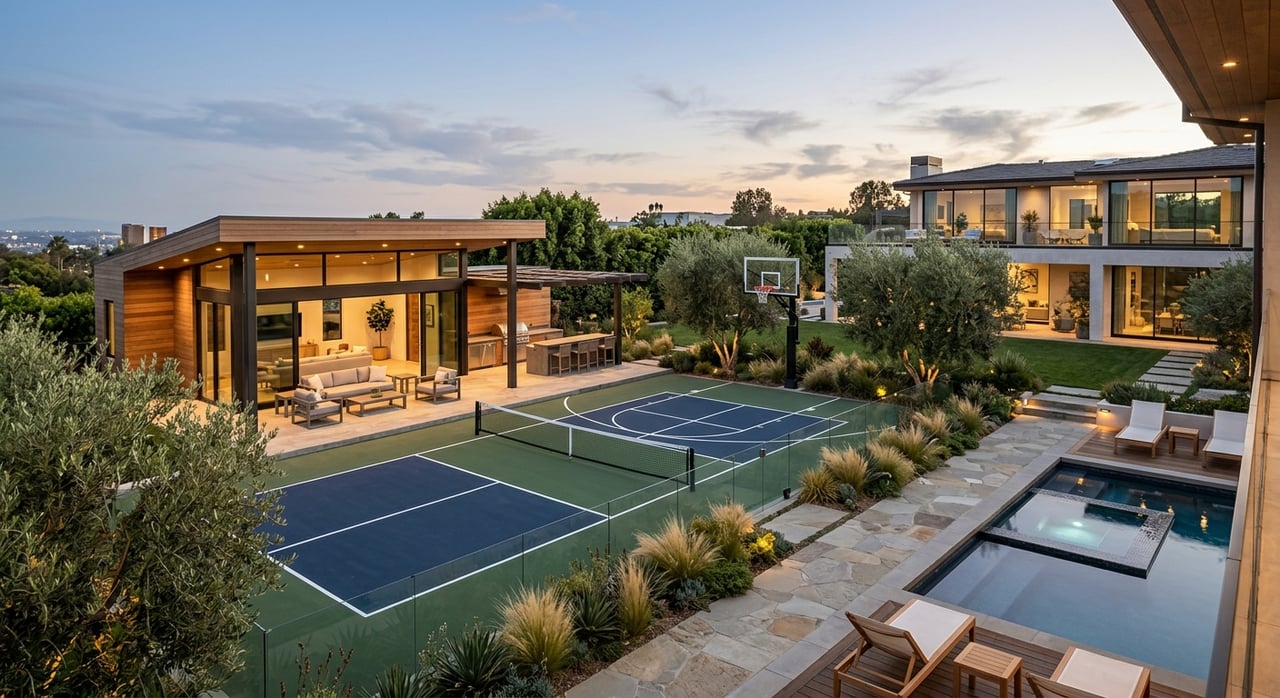
In Pinecrest, outdoor amenities are often central to how a home lives. Pools, detached garages, storage structures, screened outdoor areas, and recreational features are built into the way many buyers think about the property. The yard is not just leftover land around the house. It is often one of the home’s most important living spaces.
The local code reflects that priority. Pinecrest’s permit process requires site plans to show setbacks, lot coverage, accessory structures, impervious versus pervious area, flood zone and finish-floor elevation, pool equipment, and pool barriers. That level of detail shows how seriously the village treats site planning and outdoor features.
The code defines accessory structures to include detached garages, storage sheds, swimming pools and enclosures, and chickee huts. It also defines a guesthouse as a detached accessory unit for temporary guests that is not rented. Accessory uses other than garages generally must be located behind the rear wall of the main house or within a screened courtyard, and tennis and basketball courts require separate permit review.
What Buyers Should Look For
When you tour Pinecrest homes, it helps to evaluate the lot with the same care you give the kitchen, floor plan, or primary suite. A beautiful backyard can add everyday enjoyment, but it can also support long-term value if the site is well planned and consistent with local requirements. The goal is to understand not only what the property offers today, but how durable that privacy and usability may be over time.
A helpful checklist includes:
- Rear-yard depth
- Visibility into and out of neighboring properties
- Mature tree cover and canopy placement
- The balance between green space and hardscape
- How screened a pool or guesthouse feels from view
- Whether the parcel layout supports future additions
- Whether expansion could create setback conflicts
- Whether future work might require significant tree removal
This is especially important in Pinecrest because privacy often comes from a combination of lot depth, tree cover, and thoughtful placement of outdoor amenities. A yard that feels calm and protected today may hold that character better over time if it aligns with the village’s emphasis on open space and canopy preservation.
Why Tree Canopy Changes the Experience
Mature trees do more than make a property look established. In Pinecrest, they often shape shade, screening, and the overall sense of retreat. A home with strong tree coverage can feel more private and grounded, even when the house next door is substantial.
That matters because Pinecrest’s identity is closely tied to its landscape. Public spaces like Coral Pine Park feature walking paths, tennis and pickleball courts, a pineland preserve, and a mature tree canopy. Pinecrest Gardens, also in 33156, adds another outdoor reference point with its 14-acre botanical garden setting.
These public amenities help reinforce the lifestyle expectations many buyers bring to the area. People are often drawn to Pinecrest because they want outdoor living with shade, separation, recreation, and room to gather. Homes that deliver those qualities naturally tend to feel more aligned with what makes the village distinctive.
The Role of Permits and Planning
If you are considering changes after closing, Pinecrest’s rules are worth understanding early. Outdoor features are subject to detailed review, and certain additions may involve more planning than buyers expect. Knowing that upfront can help you assess whether a property is already configured the way you want, or whether future improvements may be more complex.
For construction-related projects, tree removal or relocation requires a separate permit before the building permit is issued. Pool permits may also require Health Department approval if the property uses septic. These are not reasons to avoid a property, but they are good reasons to evaluate feasibility before assuming a backyard project will be simple.
This is one place where a well-positioned lot can stand out. If a parcel already supports the outdoor amenities you want without heavy alteration, that can be a real advantage. It may save time, reduce uncertainty, and preserve the mature landscape that gives the property much of its appeal.
What This Means for Sellers
If you are selling a Pinecrest home, your marketing should not focus only on interior finishes or bedroom count. Buyers in this market are often paying close attention to lot utility, privacy, and how the outdoor areas are arranged. A home with a thoughtful site plan, healthy tree canopy, and well-screened amenities may deserve stronger positioning.
That means details matter. Rear-yard depth, mature landscaping, pool placement, detached structures, and the balance between lawn and hardscape all help shape buyer perception. In a market where land and privacy carry real weight, those features should be presented clearly and strategically.
Why Pinecrest Commands a Premium
Part of Pinecrest’s appeal is that it offers a different kind of luxury than denser parts of greater Miami. The village’s lower population density, larger households, high owner-occupancy rate, and much higher housing values all point toward a market where land and outdoor living carry meaningful importance. Buyers are often choosing Pinecrest because they want space to spread out, not because they want a more compact urban lifestyle.
That is why privacy buffers, deep lots, and outdoor rooms can feel especially valuable here. They are not as easy to replicate in a denser market. In Pinecrest, those features are part of what makes the location distinct.
If you are buying or selling in Pinecrest, it helps to view each property through that lens. The best opportunities are often the ones where the house and the land work together, creating a setting that feels open, private, and deeply livable.
If you want thoughtful guidance on Pinecrest homes and how to evaluate what truly adds value, connect with Stacey Waldron.
FAQs
What makes Pinecrest homes feel more private than homes in Miami city?
- Pinecrest has much lower population density than Miami city, and the village’s planning framework emphasizes open space, tree preservation, and building controls that help protect privacy, light, and air in single-family areas.
What outdoor features are common in Pinecrest homes?
- Pinecrest’s local code recognizes features such as detached garages, storage sheds, swimming pools and enclosures, chickee huts, and guesthouses for temporary guests, with placement and permitting rules that shape how those amenities fit on a lot.
What should buyers evaluate in a Pinecrest backyard?
- Buyers should look at rear-yard depth, neighbor visibility, mature tree cover, green space versus hardscape, how screened the pool or guesthouse feels, and whether the lot can support future additions without major tree removal or setback conflicts.
Why do trees matter so much in Pinecrest real estate?
- Tree canopy is a core part of Pinecrest’s identity, supported by local green-space and tree requirements, and mature trees often improve shade, visual buffering, and the overall sense of privacy on a property.
Can you add a pool or sport court to a Pinecrest property later?
- Potentially, but these improvements require permit review, and site plans must address items like setbacks, lot coverage, impervious and pervious areas, and related features, with separate review for courts and possible Health Department approval for pools on septic properties.
Why do Pinecrest lots often carry premium value?
- Pinecrest’s lower density, high owner-occupancy, larger household size, and higher housing values support a market where land, privacy, and usable outdoor space are major differentiators rather than secondary features.