Thinking about moving to Pinecrest from out of town? If you want a residential setting with room to breathe, strong everyday conveniences, and easy access to the wider Miami area, Pinecrest deserves a closer look. The key is knowing what life here actually feels like before you make a move. This guide will help you understand Pinecrest’s layout, commute options, housing profile, and day-to-day rhythm so you can relocate with more clarity and confidence. Let’s dive in.
Why Pinecrest Stands Out
Pinecrest is a village in Miami-Dade County that was incorporated in 1996 and covers about eight square miles. It had 18,388 residents in the 2020 Census and sits south of Downtown Miami and Miami International Airport. Its boundaries generally run along Snapper Creek Canal, SW 136th Street, SW 57th Avenue, and US-1, also called Pinecrest Parkway.
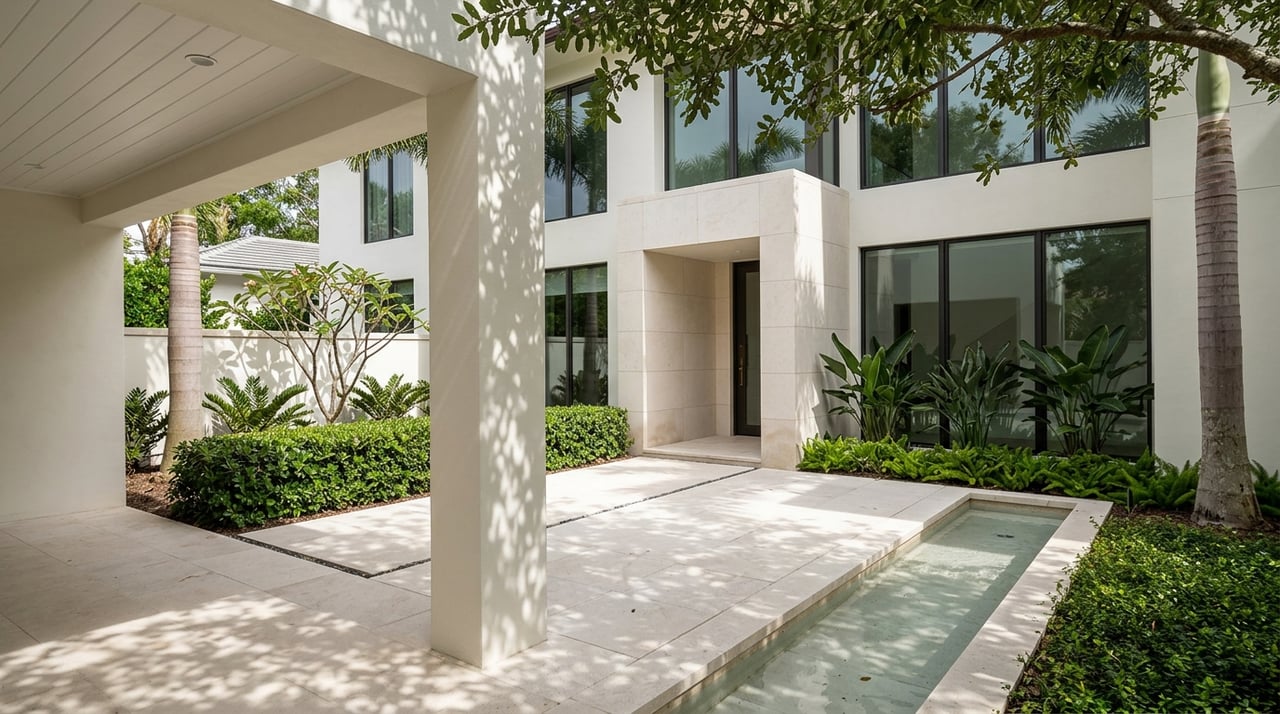
What many out-of-town buyers notice first is that Pinecrest feels distinctly residential. Village materials describe tree-lined streets, large estate lots, and a low crime rate, along with a strong local identity shaped by parks, schools, and preserved streetscapes. You also have more than 750 businesses along the western boundary, which helps balance a quieter home setting with daily convenience.
What Daily Life Feels Like
Pinecrest is designed around residential living, not heavy commercial activity. The Village describes it as a place where residents value open space, abundant landscaping, and a protected tree canopy. That creates a calmer pace than you may expect from Greater Miami, while still keeping you close to major destinations.
The local lifestyle is supported by parks, recreation, and cultural spaces. Pinecrest Parks and Recreation manages nine parks and offers more than 150 programs. Pinecrest Gardens, a 14-acre botanical garden, welcomes more than 140,000 visitors each year and hosts arts, education, festivals, and community events.
You also have practical community resources close by. The Pinecrest Branch Library at 5835 SW 111th Street offers meeting space and printing services, and the Pinecrest Community Center serves as a recreation hub. For many relocators, that mix of residential calm and useful amenities is a big part of Pinecrest’s appeal.
Getting Around Pinecrest
If you are moving from another city, one of your first questions is probably about transportation. Pinecrest is still very car-friendly, but it is not car-only. The local transit network gives you several ways to connect into Miami-Dade.
The Census Bureau reports a mean travel time to work of 27.6 minutes for Pinecrest workers age 16 and older. That gives you a helpful baseline, although your actual commute will depend on where you work and what time you travel. If you plan ahead, Pinecrest offers more flexibility than many buyers expect.
Metrorail and Dadeland South
For many commuters, Dadeland South is the key rail access point. Miami-Dade lists 1,274 parking spaces there, along with connections to several bus routes, including Metrobus service 88, 400 South Owl, 601 Metro Express, and 602 TransitWay Local. That makes it a practical park-and-ride option for reaching larger employment centers.
Miami-Dade Metrorail operates from 5 a.m. to midnight, seven days a week. The Green Line runs from Palmetto to Dadeland South and serves Kendall, South Miami, Coral Gables, Downtown Miami, Miami International Airport, and other major destinations. If your work or travel patterns take you into those areas, rail access can be a real advantage.
Local Circulators and On-Demand Rides
Pinecrest also has local mobility options that can help with shorter trips. The free Pinecrest People Mover connects neighborhoods and schools and can transfer riders to Metrobus. Freebee adds free on-demand rides around village destinations and also connects to the South Dade TransitWay and the Metrorail station.
That mix is useful if you want a little more flexibility in daily routines. You may still drive often, but local circulators and on-demand rides can make errands, school-area trips, and station connections easier. For out-of-town buyers, that is worth testing in person before choosing a home.
Metro Express BRT
The South Dade TransitWay has been relaunched as Metro Express BRT. It is a 20-mile corridor running from the SW 344th Street Park-and-Ride to Dadeland South Metrorail Station. Miami-Dade describes it as connecting Pinecrest to job hubs, hospitals, and schools.
Schools and Community Resources
If schools are part of your relocation research, Pinecrest identifies five public schools within the village: Palmetto Elementary, Pinecrest Elementary, Howard Drive Elementary, Palmetto Middle, and Miami Palmetto Senior High. The Village also notes that there are several private-school options nearby. As with any move, it is smart to confirm school assignment and enrollment details directly through the relevant local resources.
A helpful tool for buyers is the Village’s My Property portal. It can show the closest schools, garbage pickup days, governmental districts, voting precinct location, parcel information, and the nearest Pinecrest People Mover stop. For someone moving from out of town, this can make early research much more efficient.
The Village also offers MyPinecrest 311 for service requests and issue reporting. That may not sound exciting at first, but systems like this often matter once you become a resident. They give you a better sense of how day-to-day local services are organized.
What Housing Looks Like in Pinecrest
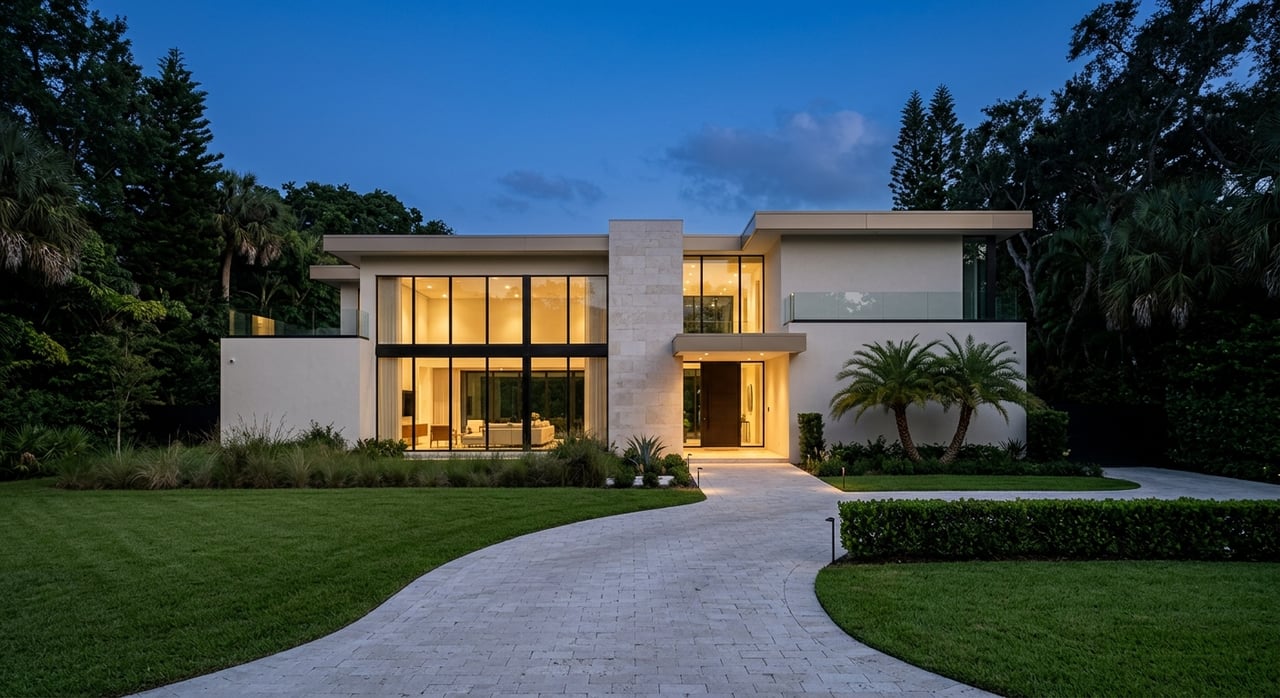
Pinecrest is mostly a single-family home market. The Village says it has limited commercial businesses and no industrial or tourism revenue base, which reinforces how strongly residential the area feels. If you are coming from a denser urban environment, that difference may be one of the biggest shifts.
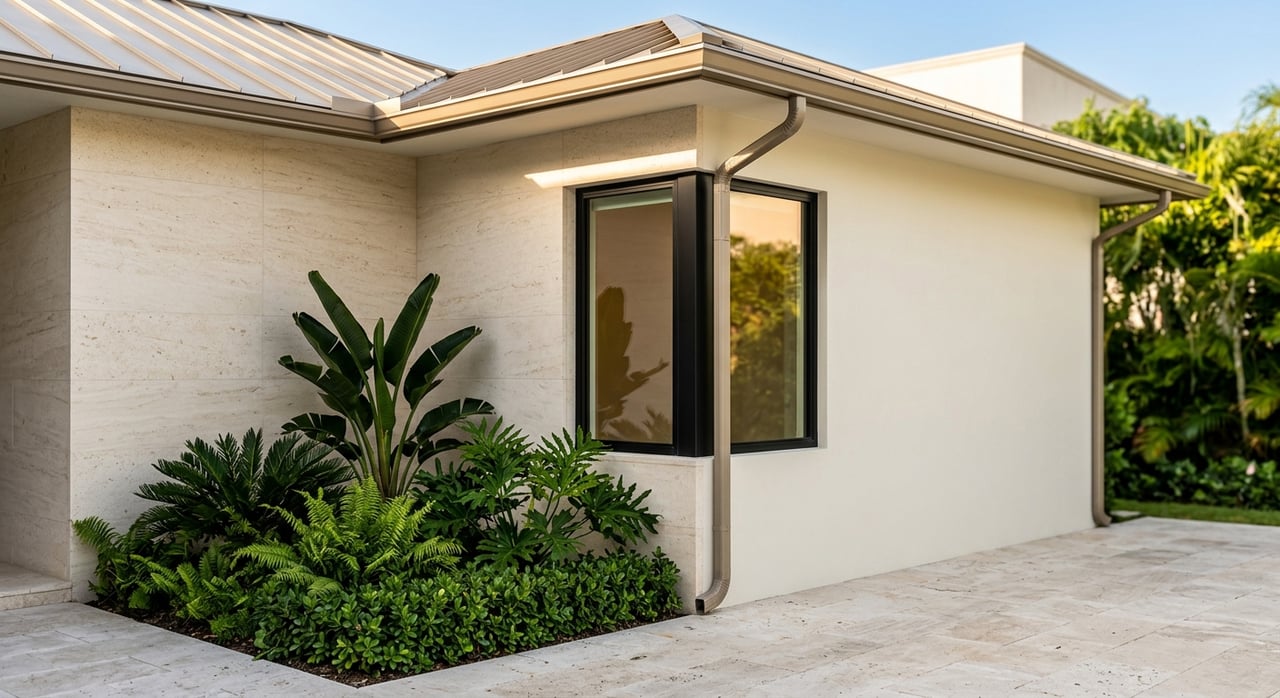
The housing stock is closely tied to Pinecrest’s identity. Official planning documents describe a pattern of residential estate development within a well-defined boundary, with flexible residential building regulations that still protect streetscapes and limit commercial intrusion into neighborhoods. In practical terms, many buyers are drawn to the sense of space, landscaping, and visual consistency.
The tree canopy is also a meaningful part of the experience. The Village says it has planted more than 10,000 street trees since 1997 and has been named a Tree City USA community every year since incorporation. That ongoing emphasis on trees and streetscape preservation helps shape the look and feel of the village.
What Out-of-Town Buyers Should Expect on Pricing
Pinecrest is an established, high-value housing market. Census data show a median owner-occupied home value of $1,406,400, an owner-occupied housing rate of 82.8%, and median monthly owner costs of more than $4,000 with a mortgage. Those numbers help set expectations if you are budgeting for a move.
The same Census data show a median gross rent of $1,946 and an average household size of 3.03 people. Pinecrest also appears relatively stable, with 92.8% of residents living in the same house one year earlier. For many buyers, that points to a community where people tend to stay once they settle in.
Pinecrest is also internationally mixed. Census data show that 30.4% of residents were foreign-born and 61.6% spoke a language other than English at home. If you are relocating from abroad or moving as part of a multilingual household, that may be a helpful point of familiarity.
Where Residents Run Errands
Even though Pinecrest maintains a residential character, you are not far from major shopping and dining areas. A Village market analysis identified several nearby nodes that Pinecrest residents frequently visit. These include Dadeland Mall, Falls Shopping Center, Pinecrest Place, Dadeland Station, Downtown Dadeland, Shops at Sunset Place, and Shops at Merrick Park.
This matters because convenience is a big part of relocation success. You may want a quieter home environment without giving up access to everyday errands, restaurants, and retail. Pinecrest offers that balance through nearby commercial corridors rather than heavy commercial activity throughout the village itself.
How To Explore Pinecrest Before You Move
If you are relocating from out of town, a structured visit can save time and help you compare options more clearly. Start with the Village’s My Property portal to review parcel details, nearby schools, local services, and transit access. Then compare mobility options side by side, including Metrorail, Metro Express BRT, the Pinecrest People Mover, and Freebee.
For an in-person visit, it helps to break your tour into two parts. A weekday commute window is useful for judging traffic, station access, and transfer convenience. A weekend daytime visit is better for exploring parks, the library, Pinecrest Gardens, and nearby shopping corridors.
A practical relocation tour should include Pinecrest Parkway, Dadeland South, Pinecrest Gardens, the Community Center, and at least one or two errand runs using local transit options. That kind of visit gives you a fuller picture than a quick drive-through. It helps you evaluate not just the home, but the routine that comes with it.
Why Local Guidance Matters
Moving to Pinecrest from out of town often involves more than choosing a house. You are also weighing commute patterns, neighborhood feel, lot sizes, proximity to daily needs, and how the village fits your lifestyle. That is especially important in a market where residential character and long-term stability are such a big part of the value.
Having a local advisor can make that process smoother. You want someone who can help you filter options, plan an efficient area tour, and understand how different parts of Pinecrest connect to the rest of Miami-Dade. The goal is not just to find a property, but to make a move that feels well matched to how you want to live.
If you are considering a move to Pinecrest, Stacey Waldron can help you approach the process with clarity, local insight, and a calm, informed strategy.
FAQs
What is Pinecrest like for out-of-town buyers?
- Pinecrest is a mostly single-family, highly residential village known for tree-lined streets, large estate lots, parks, and a quieter pace while still being close to Downtown Miami and Miami International Airport.
How do Pinecrest residents commute to Miami job centers?
- Many residents still drive, but Pinecrest also has access to Dadeland South Metrorail, Metro Express BRT, the Pinecrest People Mover, Freebee, and connecting bus routes that support travel to major employment areas.
What housing should you expect in Pinecrest?
- Pinecrest is primarily a single-family home market with a strong residential identity, a median owner-occupied home value of $1,406,400, and a housing pattern shaped by large lots, landscaping, and protected streetscapes.
What public schools are listed in Pinecrest?
- The Village lists Palmetto Elementary, Pinecrest Elementary, Howard Drive Elementary, Palmetto Middle, and Miami Palmetto Senior High as public schools in Pinecrest.
What amenities can you visit during a Pinecrest relocation tour?
- A strong first tour can include Pinecrest Gardens, the Pinecrest Community Center, the Pinecrest Branch Library, Pinecrest Parkway, Dadeland South, and nearby shopping and dining nodes commonly used by residents.