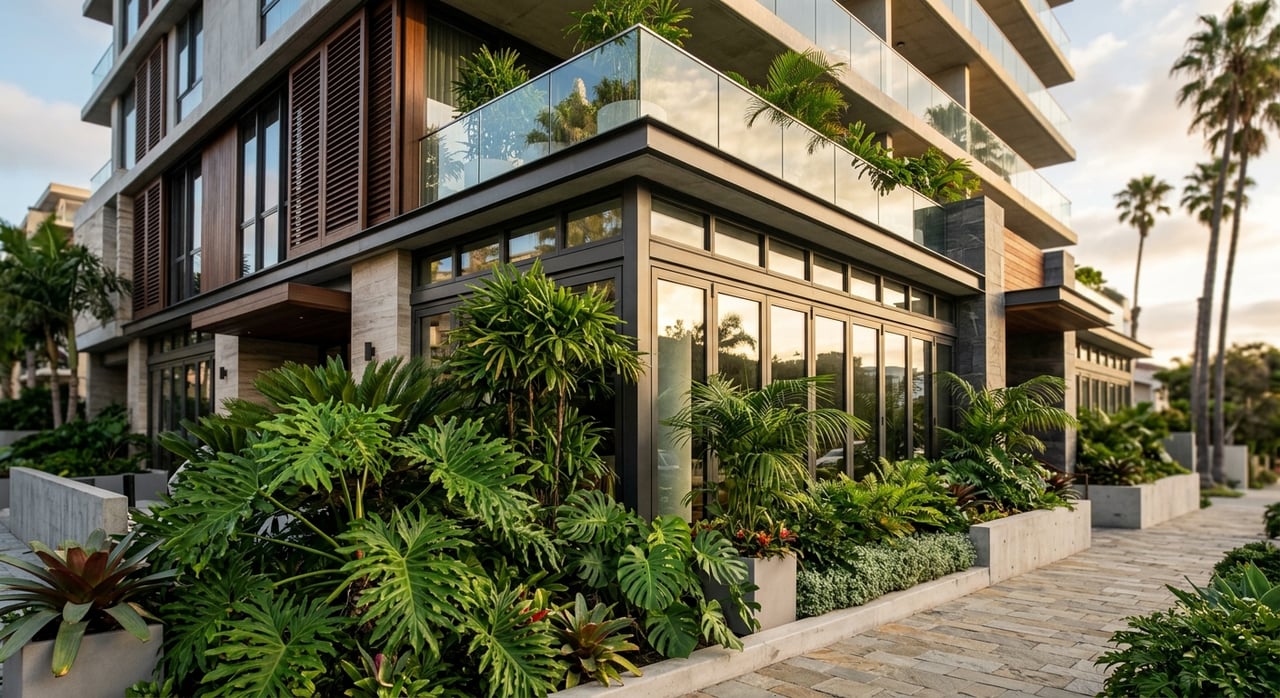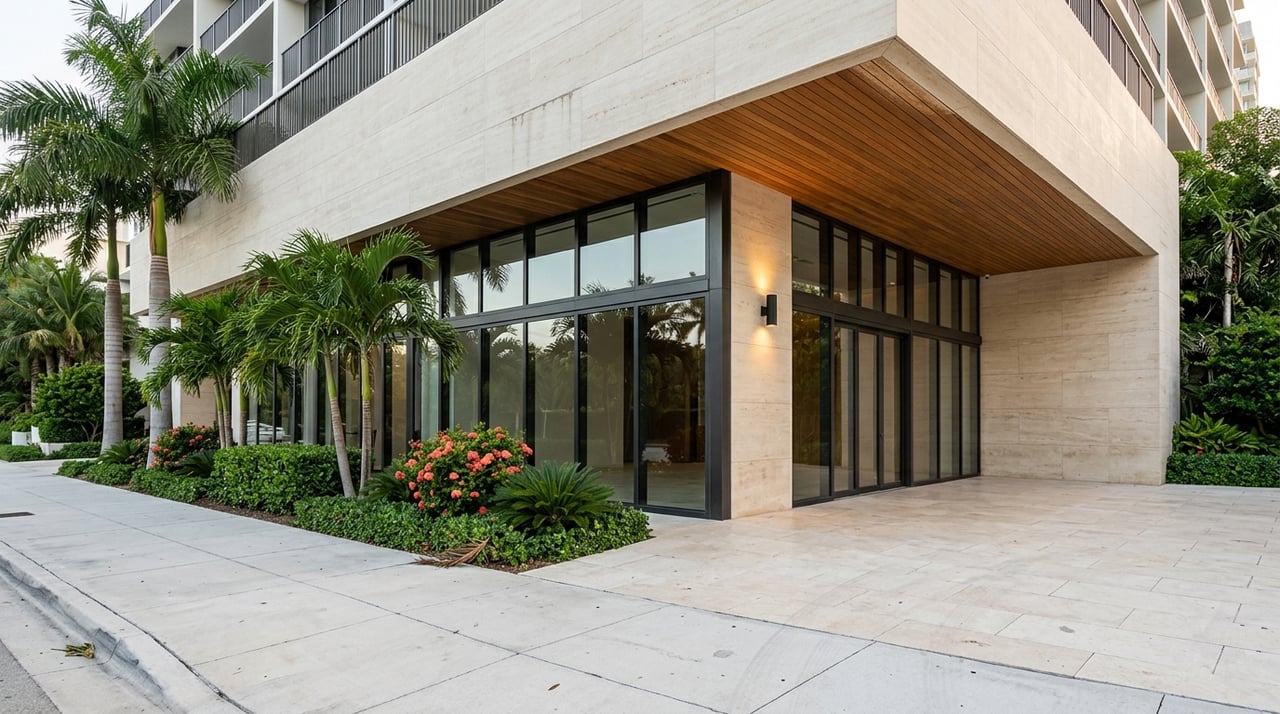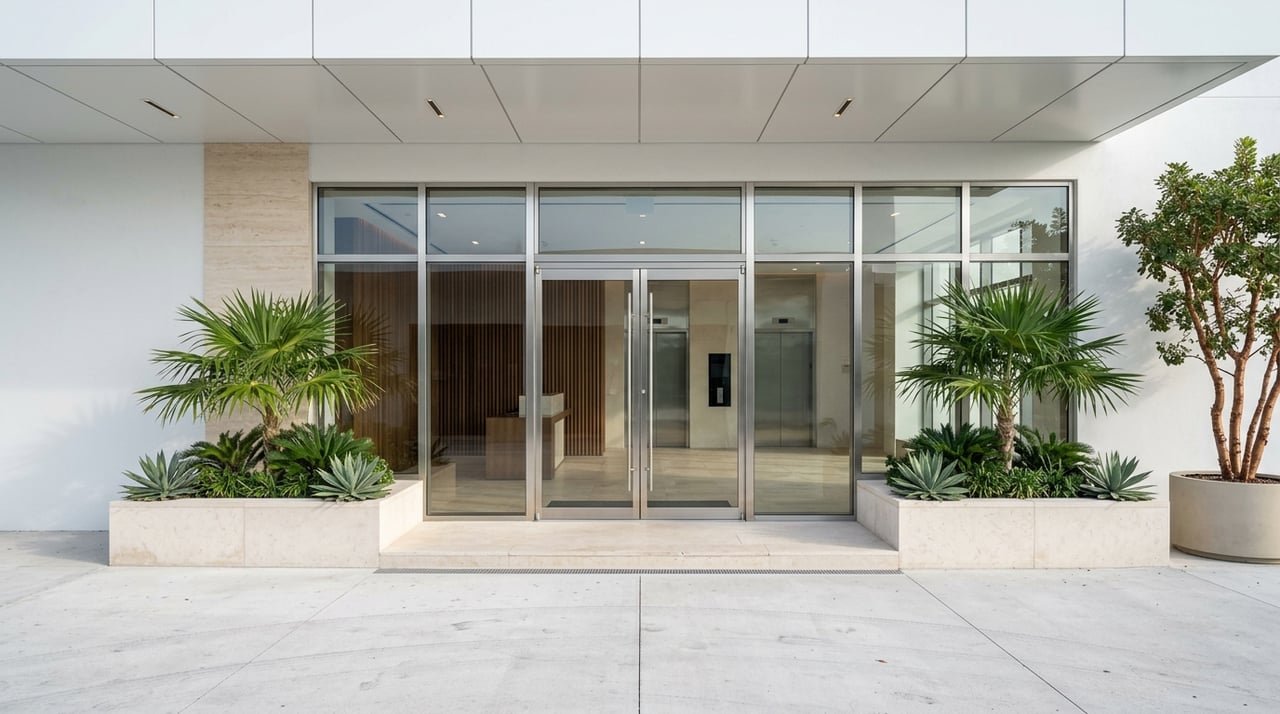
Buying a condo in Miami Beach can look simple from a distance. The photos are beautiful, the water is everywhere, and many buildings seem to promise the same lifestyle. In reality, condo buildings here are not interchangeable, and choosing the right one means looking past the marketing to how you actually want to live. This guide will help you compare Miami Beach buildings with more clarity, from location and views to association health and flood risk. Let’s dive in.
Start With Your Miami Beach Lifestyle
The first step is not picking a building. It is deciding what kind of Miami Beach experience fits your daily rhythm, whether you plan to live there full time, part time, or use it as a second home.
The City of Miami Beach presents the area as a connected stretch with the Beachwalk running the length of the city and complimentary trolleys linking key areas. That matters because choosing a building in Miami Beach is also choosing how you want to move through your day, what kind of surroundings you prefer, and how much you want to rely on your car.
South Beach: Walkability And Energy
South Beach is the most iconic and high-energy option. The city describes it as spanning Biscayne Bay and the Atlantic Ocean, with the largest collection of Art Deco architecture and strong trolley access to restaurants, grocery stores, cultural facilities, parking, and Lincoln Road.
If you want a dense, active setting with a highly walkable feel, South Beach may be a strong fit. In many buildings here, the tradeoff is that you may be choosing location and access over the larger resort-style amenity packages found elsewhere.
Mid-Beach: Resort Style And Scale
Mid-Beach offers a different experience. The city frames it around Mid-Century Luxury, Millionaire’s Row, Morris Lapidus architecture, and major hotel landmarks, and it also benefits from a free on-demand transit service through Mid Beach and parts of North Beach.
For many buyers, Mid-Beach stands out for larger-scale luxury buildings and a more resort-oriented atmosphere. If you are drawn to full-service living, hotel-branded surroundings, or a more expansive building format, this part of Miami Beach may deserve a closer look.
North Beach: Quieter And Residential
North Beach tends to feel calmer and more residential. The city describes it as culturally diverse and eclectic, with open beach, parks, tree canopies, and a mix of historic and modern architecture.
The North Beach CRA also notes that the area has seen less redevelopment than other parts of Miami Beach and is now a focus for climate-resilience, economic-development, affordable-housing, and preservation initiatives. If you want a quieter setting with beach access and a more neighborhood-like pace, North Beach can be very appealing.
Compare Buildings, Not Just Zip Codes
Once you narrow the area, compare each building on its own merits. Two condos in the same part of Miami Beach can offer very different ownership experiences.
A building’s style, condition, rules, amenities, and operating culture all shape day-to-day life. That is why the smartest buyers treat each building as its own case study rather than assuming one neighborhood label tells the full story.
Older Boutique Buildings Vs. Newer Towers
Miami Beach includes Art Deco, Mediterranean Revival, MiMo, and contemporary buildings. The city says its historic districts include more than 2,600 buildings, and historic properties are subject to preservation review and historic-district permitting.
That can be a real advantage if you love architectural character and a more distinctive setting. It can also mean a different renovation path and more exterior-change rules than you may find in a newer tower, so it is worth understanding that before you fall in love with a unit.
Amenities Should Match Real Use
It is easy to overvalue a long amenity list. In practice, the best building is usually the one whose amenity mix supports how you will actually spend your time.
South Beach buildings often compete on walkability and access to dining, museums, and nightlife. Mid-Beach buildings often lean into larger resort-style amenities and full-service branding. North Beach buildings may offer a quieter setting, beach access, and improving neighborhood investment rather than the biggest amenity package.
Ask yourself a simple question: will you truly use the features you are paying for each month? A building with fewer amenities may still be the better fit if it aligns with your routine and priorities.
Verify The Unit’s Actual View
In Miami Beach, buyers often start with the view. That makes sense, but it is important to verify the specific unit’s outlook instead of assuming the building name tells the whole story.
Because Miami Beach sits between the Atlantic Ocean and Biscayne Bay, units in the same tower can have very different exposures. Depending on orientation and floor level, one unit may look toward the ocean, another toward the bay, another toward the skyline, and another toward sunset views.
Before you decide, review floor plans, unit photos, and if possible, a live or virtual view inspection. This is especially important if you are buying remotely and cannot easily judge how the outlook feels in real time.
Put Association Health First
If there is one category that deserves extra attention, it is the association. A beautiful lobby and strong first impression do not replace sound building governance and realistic financial planning.
Florida condo law now puts structural condition and reserves at the center of the decision for many buyers. For residential condo buildings that are three habitable stories or higher, state law requires milestone inspections and structural integrity reserve studies, often called SIRS.
Why Milestone Inspections Matter
Under Florida law, a milestone inspection is generally due by the end of the year a building turns 30 years old. The law also allows a local enforcement agency to require it at 25 years in local circumstances, including proximity to salt water.
In a coastal market like Miami Beach, that timeline matters. It means older buildings may be navigating inspections, repair planning, reserve updates, or related owner costs in a way that directly affects your budget and comfort level.
Why Reserve Studies Matter
A structural integrity reserve study must be completed at least every 10 years and must cover major items including the roof, structural systems, fireproofing and fire protection, plumbing, electrical systems, waterproofing and exterior painting, windows and exterior doors, plus certain other major components.
As of 2026, older associations that were already unit-owner controlled on or before July 1, 2022, should have completed their SIRS. Florida’s DBPR also explains that if the reserve study shows a funding gap, the association may need special assessments, a loan, or a line of credit to meet the reserve funding schedule.
That is why the monthly condo fee never tells the whole story. You also want to understand whether the reserve plan appears realistic for the next cycle of repairs and replacements.
Documents Buyers Should Review
Florida law gives buyers access to important association records. These may include the declaration, articles, bylaws and rules, annual financial statement and budget, milestone inspection summary if applicable, the most recent SIRS, and certain additional reports and FAQ materials.
The law also requires contract disclosures if a required milestone inspection or SIRS has not been completed, and it gives buyers specific cancellation and closing-extension rights after receipt of those documents. In short, you do not have to guess. You can and should review the paperwork carefully.
A Smart Building Due-Diligence Checklist
When comparing Miami Beach condo buildings, ask for and review:
- Current budget
- Reserve schedule
- Insurance coverage
- Recent special-assessment history
- Board minutes
- Milestone inspection summary
- Most recent SIRS
- Planned capital projects
This process helps you look beyond surface appeal. The key question is not just whether the building looks well kept today, but whether its financial and governance picture appears prepared for what comes next.
Check Flood Risk Early
In Miami Beach, flood position should be part of your building search from the beginning. It is not something to leave for the last week of due diligence.
Miami-Dade County says the county is especially susceptible to flooding from major rain events and storm surge because it is surrounded by the Atlantic Ocean, Biscayne Bay, and other water bodies and sits close to sea level. The county also says flood insurance is required for any federally backed mortgage in a Special Flood Hazard Area, and that a flood policy generally does not take effect until 30 days after purchase.
The City of Miami Beach directs property owners and buyers to its interactive flood guide and to Miami-Dade flood-zone maps because FEMA and local flood-zone designations can change. For condo buyers, that means flood exposure can affect costs, lender requirements, planning, and peace of mind.
What To Confirm Before You Commit
If you are comparing buildings, verify:
- The unit’s flood zone
- Whether an elevation certificate exists
- The building’s drainage and maintenance responsibilities
- The insurance and association-cost profile
This is especially important for remote buyers who may be focused on finishes and views first. In many cases, the better long-term choice is the building that balances lifestyle with a governance and risk profile you feel comfortable owning.
Remote Buyers Need A Tighter Process
Miami Beach attracts many relocating and second-home buyers, and remote shopping is common. If that is your situation, a more structured process can help you avoid expensive assumptions.
Start with the submarket, then narrow to a few buildings that match your lifestyle goals. After that, verify the unit orientation, review the association documents, and confirm flood-related details before getting emotionally attached.
A calm, organized approach tends to lead to better decisions. In a market with so much visual appeal, the right building is often the one that fits your real use case, your comfort with building governance, and your long-term ownership goals.
The Right Building Is Personal
There is no single best condo building in Miami Beach for every buyer. The right choice depends on whether you value walkability, resort amenities, a quieter residential feel, architectural character, specific views, or a building with a financial profile that feels more predictable.
That is why thoughtful comparison matters so much here. When you look at location, building character, association health, and coastal risk together, you can make a decision that feels exciting and grounded at the same time.
If you want a clear, strategic approach to comparing Miami Beach condos, Stacey Waldron can help you evaluate buildings with the local insight and careful guidance this market deserves.
FAQs
What should you compare first when choosing a Miami Beach condo building?
- Start with lifestyle fit. In Miami Beach, location shapes your daily rhythm, so first decide whether South Beach, Mid-Beach, or North Beach better matches how you want to live.
How is South Beach different from Mid-Beach and North Beach for condo buyers?
- South Beach is generally the most walkable and high-energy, Mid-Beach is often more resort-oriented with larger luxury buildings, and North Beach tends to feel quieter and more residential.
Why do older Miami Beach condo buildings need extra review?
- Older buildings may offer strong character and location advantages, but they can also involve preservation-related rules, different renovation processes, and more active structural and reserve planning under Florida law.
What association documents should Miami Beach condo buyers request?
- Key items include the budget, reserve schedule, insurance coverage, board minutes, recent special-assessment history, milestone inspection summary, the most recent SIRS, and any planned capital projects.
Why is flood risk important when buying a Miami Beach condo?
- Miami-Dade County is especially susceptible to flooding, and flood zone position can affect insurance, financing requirements, ownership costs, and your overall comfort with the property.
How can remote buyers choose the right Miami Beach condo building more confidently?
- Use a step-by-step process: narrow the submarket first, compare buildings individually, verify the exact unit view, review association records, and confirm flood-related details early.